

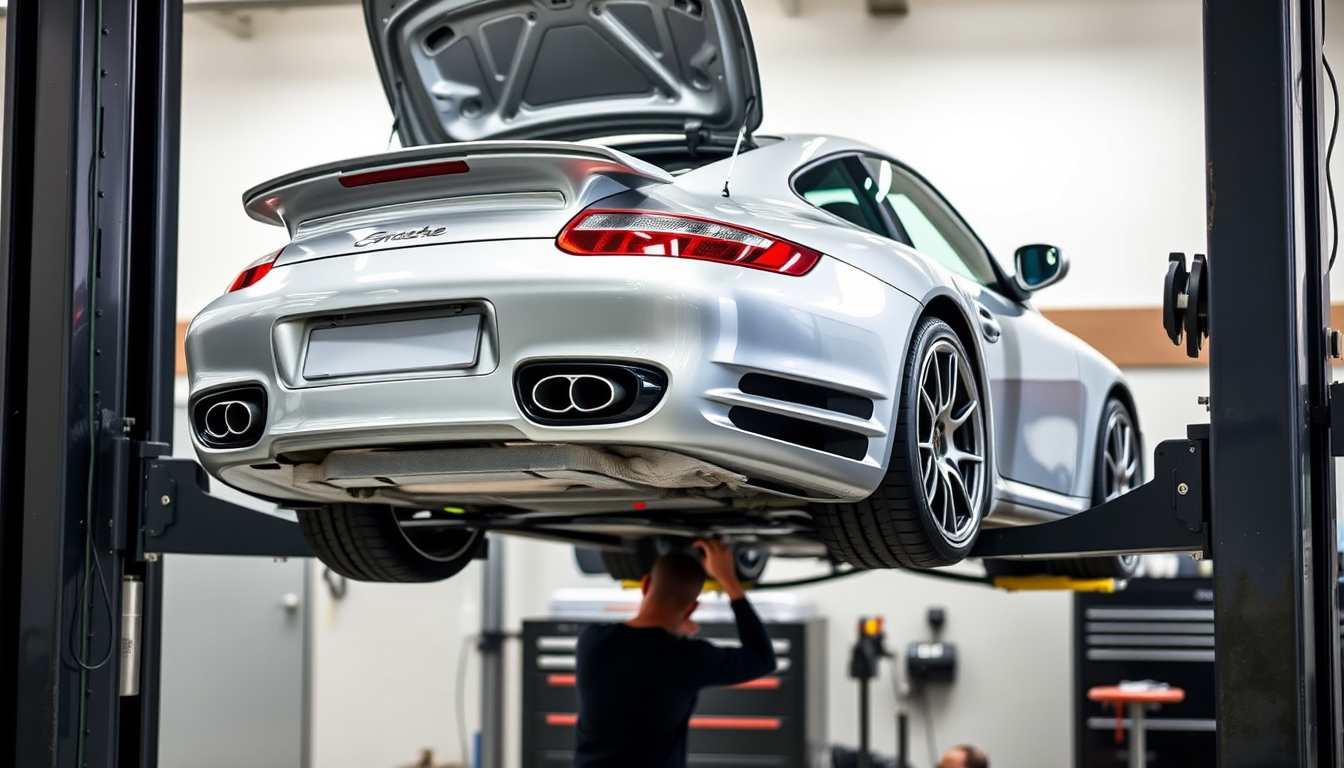
The most expensive Porsche 997 Turbo problems almost never start as a warning light. They start as a faint coolant smell in the garage, a rough cold start that smooths out after thirty seconds, or a thin oil weep you only notice on a clean driveway. Catch those early and they’re routine service. Ignore them and a coolant pipe can let go at speed, or an oil leak can creep toward the clutch. The 997 Turbo is one of the most reliable supercars Porsche ever built. It just speaks quietly, and you have to know what it’s saying.
Key Takeaways
- The 997.1 Turbo (2006 to 2009) uses the Mezger M97.70 3.6L flat-six, the GT1-derived engine that’s considered close to bulletproof apart from one flaw: its coolant pipes (FCP Euro).
- The 997.2 Turbo (2010 to 2013) switched to the 3.8L direct-injection MA1.70 engine, which can suffer cylinder bore scoring in cold climates (FCP Euro).
- Mezger coolant pipes are glued in. Heat cycling works the epoxy loose and the pipe can pop out, dumping coolant in seconds (JoeLeggs).
- A rough cold start with startup smoke usually points at the air-oil separator, not the engine itself.
What are the most common Porsche 997 Turbo problems?
The most common 997 Turbo problems cluster around three areas: the Mezger engine’s glued-in coolant pipes, the air-oil separator, and oil weeps from the rear main seal and Tiptronic case. None of these are signs of a bad car. They’re known, predictable wear points on a platform that ran from 2006 to 2013 (Wikipedia). The difference between cheap and expensive is how early you find them.
Here’s the thing most owners miss. A 997 Turbo can drive perfectly while one of these issues is quietly developing. The engine doesn’t throw a code for a coolant pipe loosening. It just smells faintly sweet after a hard run. So the real skill isn’t fixing these problems, it’s catching them on a lift before they strand you. That’s what good auto diagnostics on these cars is really about.
| Early symptom | What it usually means | If you wait |
|---|---|---|
| Faint coolant smell, low reservoir | Mezger coolant pipe epoxy loosening | Pipe pops out, instant overheat |
| Rough cold start, startup smoke | Air-oil separator breaking down | Heavy oil burning, rough running |
| Oil weep at bellhousing or trans | Rear main seal or Tiptronic case | Leak reaches the clutch, bigger bill |
| Lazy boost, surging on one bank | VTG actuator linkage corrosion | Turbo replacement quoted instead of linkage |
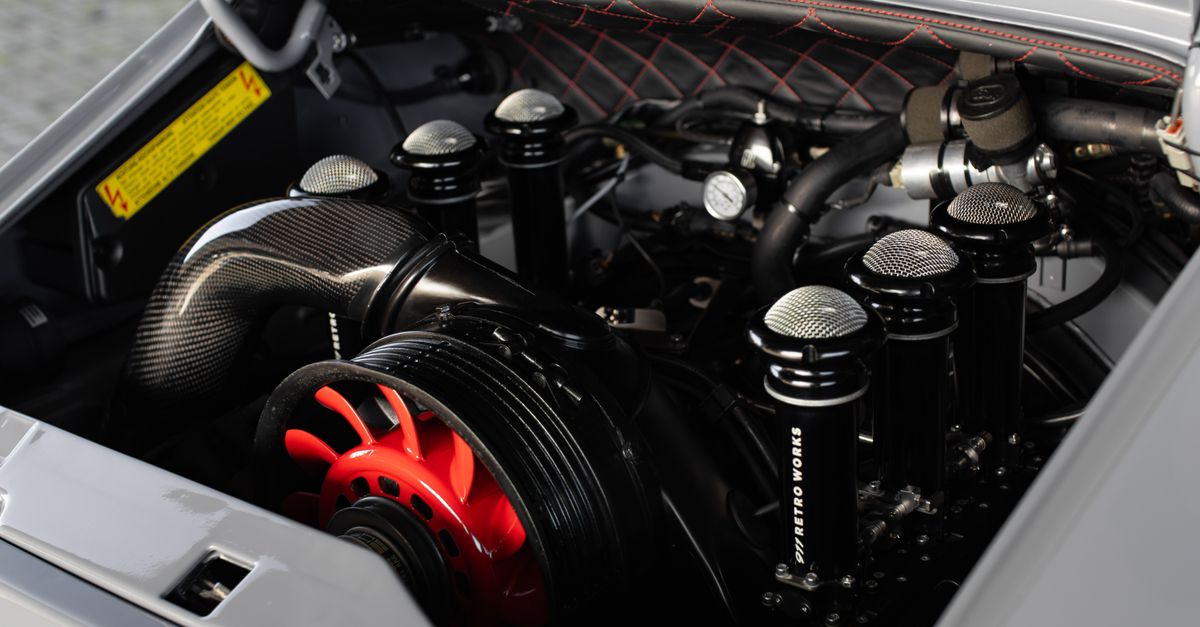
Why do 997 Turbo coolant pipes fail, and what does a faint coolant smell mean?
A faint coolant smell on a 997.1 Turbo is the single most important warning sign on the car, because the Mezger engine’s coolant pipes are held in with adhesive, not welded. The cast aluminum housings and the extruded aluminum pipes expand at different rates, so Porsche bonded them with epoxy. Over years of heat cycling that epoxy works loose (JoeLeggs).
What happens when one lets go isn’t subtle. As one Porsche specialist puts it, your worst nightmare is “popping a cooling pipe on the back straight of your local track at 6,500 RPM effectively emptying your cooling system and overheating your engine in seconds” (JoeLeggs). On a Mezger flat-six, that kind of overheat can turn a known maintenance item into a rebuild. This is why the smell matters so much.
The fix is permanent and well understood. A shop either pins the pipes (drilling and tapping for stainless button-head screws that mechanically lock the pipe in place) or replaces them with billet pieces that get welded in (JoeLeggs). The Mezger engines are otherwise remarkably tough. As FCP Euro notes, once the coolant pipe issue is resolved, these engines are essentially bulletproof (FCP Euro). From our bay: on a 997.1 Turbo that’s never had the pipes addressed, we treat it as preventive work, not a repair you wait for. Why gamble a Mezger on a fifty-dollar epoxy joint?
Watch this Can You Guess What’s On This Porsche 997 Turbo? job on our Instagram (@r2__motorsports)
Does it matter whether you have the 997.1 or 997.2 Turbo engine?
It matters more than almost anything else about the car. The 997.1 Turbo (2006 to 2009) runs the Mezger M97.70, a 3.6L flat-six derived from the 911 GT1 race engine, making 480 PS (473 bhp). The 997.2 Turbo (2010 to 2013) uses a completely new 3.8L direct-injection engine, the MA1.70, rated at 500 PS (493 bhp) (Wikipedia). They look nearly identical. They fail differently.
The Mezger in the 997.1 is the engine enthusiasts chase, and its main weakness is the coolant pipes we just covered. The direct-injection MA1.70 in the 997.2 leaves that behind but introduces its own concern: cylinder bore scoring, which FCP Euro notes affects these engines in cold climates and is why a long warm-up before hard driving matters (FCP Euro). Santa Clarita rarely gets cold enough to make that a daily worry, but a car that spent winters elsewhere is worth a closer look.
So which checks apply depends entirely on which engine you have. On a 997.1, we’re focused on coolant pipes and the Mezger’s oil system. On a 997.2, we listen for cold-start rattle and watch oil consumption as bore-scoring tells. Knowing the engine code before the car hits the lift is half of good Porsche service on these cars. It’s also why generic shops miss things a Porsche-focused independent catches.
What does a rough cold start on a 997 Turbo usually mean?
A rough cold start with a puff of white or blue smoke that clears in a few seconds usually points to the air-oil separator (AOS), not the engine. The AOS pulls oil mist out of the crankcase vapors before they go back into the intake. When its internal diaphragm fails, raw oil gets drawn into the combustion chamber and burned at startup (Pelican Parts).
The tells are consistent. You’ll see startup smoke that clears quickly, an idle that hunts up and down, the engine feeling flat just off idle, and the oil level dropping with no puddle on the floor. Those last two together are the giveaway: if you’re topping off oil but never finding a leak, the oil is going up the intake and out the exhaust (Pelican Parts). A failing AOS can be tricky to confirm, so a crankcase pressure test settles it rather than guessing.
Good news here: the AOS is a wear item, not a catastrophe, and on most 996 and 997 engines it’s accessible without tearing the engine down. Replace it and the rough start, the smoke, and the oil consumption all clear up together. Left alone, you’re just burning oil and fouling things downstream. This is bread-and-butter engine repair on the platform, and it’s far cheaper than the chase owners put themselves through when they assume the worst.
What about the turbos, oil leaks, and the transmission?
Beyond the engine, the 997 Turbo’s recurring items are the VTG turbochargers, the rear main seal, and oil weeps from the Tiptronic case. The 997 Turbo was a landmark for using Variable Turbine Geometry, where movable vanes change the turbine’s effective geometry across the rev range (FCP Euro). The turbos themselves are durable. The weak point is the actuator linkage.
On a high-mileage car, the VTG actuator linkage and its ball joints can corrode and seize. A dealer sometimes quotes a complete turbo replacement when the actuator and turbine are fine and only the linkage needs attention. That’s a huge difference in cost, and it’s exactly the kind of call where a specialist’s eyes save you thousands. From our bay: we check that the vane control arm moves freely before anyone says the word turbo.
Then there are the leaks. The 997 has a reputation for rear main seal (RMS) weeps, more often on manual cars, and Porsche revised the seal several times without ever fully ending it (RPM Specialist Cars). On Tiptronic cars, what looks like a pan-gasket leak is often bolts loosening between the transfer case and transmission, letting the thin housing gasket shift (Rennlist). Catch an RMS weep early and it’s a seal. Let it reach the clutch and it’s a clutch job too. Staying ahead of leaks is what transmission repair on these cars should prevent, not chase.
How do you stay ahead of 997 Turbo problems?
Staying ahead of 997 Turbo problems comes down to consistent, informed inspection: someone who knows to smell for coolant, watch the cold start, and run a finger along the bellhousing at every service. Most of what gets expensive on these cars is cheap when it’s caught small. That’s the whole argument for treating Porsche 997 Turbo maintenance as preventive rather than reactive.
A proper service visit on a 997 Turbo isn’t just oil and a reset. The inspection that catches problems early looks like this:
- On a 997.1, check the Mezger coolant pipes and the oil system for any sign of seepage.
- On a 997.2, listen for cold-start rattle and track oil consumption as bore-scoring tells.
- If the cold start is rough, test crankcase pressure to confirm or rule out the air-oil separator.
- Walk the underside for weeps at the rear main seal and the Tiptronic case.
- Verify the VTG actuator linkage moves freely before anyone discusses turbo replacement.
None of it is exotic. It just takes someone who has had these cars on the lift and knows where they hide their secrets. That’s the difference good factory scheduled maintenance makes on a car like this.
If you own a 997 Turbo in the Santa Clarita Valley and any of this sounds like your car, a faint coolant smell, a rough cold start, an oil weep you can’t place, call R2 Motorsports at 661-251-3278. We’ll tell you straight whether it’s preventive work or something that needs attention now. We bring the same approach to every European auto repair on the platform: catch it small, fix it right, keep the car the way Porsche built it.
Frequently Asked Questions
Is the Porsche 997 Turbo reliable?
Yes, by supercar standards it’s very reliable. The 997.1 Turbo’s Mezger M97.70 engine is considered close to bulletproof once its coolant pipes are addressed (FCP Euro). The known issues are predictable wear points, not design failures, and almost all are cheap to handle when caught early.
How do I know if I have a 997.1 or 997.2 Turbo?
The split is by year and engine. The 997.1 Turbo (2006 to 2009) uses the 3.6L Mezger engine; the 997.2 Turbo (2010 to 2013) uses the 3.8L direct-injection engine making 500 PS (493 bhp) (Wikipedia). A shop can confirm the engine code, which determines exactly what to inspect.
What causes the coolant pipe failure on a 997 Turbo?
The Mezger engine’s coolant pipes are bonded into the block with epoxy rather than welded, because the cast and extruded aluminum parts expand differently. Heat cycling loosens the epoxy over time, and a pipe can pop out and empty the cooling system fast (JoeLeggs). Pinning or welding the pipes fixes it permanently.
Why does my 997 Turbo smoke and run rough on cold starts?
That pattern usually means a failing air-oil separator, which lets oil get pulled into the intake and burned at startup. Telltale signs are startup smoke that clears quickly, a hunting idle, and oil consumption with no visible leak (Pelican Parts). A crankcase pressure test confirms it.
Should I worry about bore scoring on a 997 Turbo?
Mostly on the 997.2’s 3.8L direct-injection engine, and mostly in cold climates, where FCP Euro notes a proper warm-up before hard driving matters (FCP Euro). The 997.1’s Mezger engine doesn’t share this issue. A car that lived through cold winters is worth inspecting for it.
Sources
- FCP Euro, “The Definitive Guide To Porsche 997 Engines (M96.05, M97, MA1),” retrieved 2026-06-01, https://www.fcpeuro.com/blog/the-definitive-guide-to-porsche-997-engines
- JoeLeggs, “996/997 GT2, GT3 and Turbo Cooling Pipe Failure: Prevent This Tragedy,” retrieved 2026-06-01, https://www.joeleggs.com/blog/996997-gt2-gt3-and-turbo-cooling-pipe-failure-prevent-this-tragedy
- Wikipedia, “Porsche 911 (997),” retrieved 2026-06-01, https://en.wikipedia.org/wiki/Porsche_911_(997)
- Pelican Parts, “Porsche 911 Air Oil Separator Replacement (996/997),” retrieved 2026-06-01, https://www.pelicanparts.com/techarticles/Porsche-996-997-Carrera/09-ENGINE-Air_Oil_Separator/09-ENGINE-Air_Oil_Separator.htm
- RPM Specialist Cars, “Porsche Rear Main Seal (RMS) Oil Leak,” retrieved 2026-06-01, https://www.rpmspecialistcars.co.uk/porsche-rear-main-seal-rms-oil-leak/
- Rennlist, “Tiptronic leaking at transfer case / balancer case,” retrieved 2026-06-01, https://rennlist.com/forums/997-turbo-forum/1145124-tiptronic-leaking-at-transfer-case-balancer-case.html