
Introduction
You walk into the garage and notice a bright pink puddle under your Porsche. Your first thought is usually panic. Is it serious? Can you still drive? And why is it pink?
For most modern Porsches, that pink fluid is coolant. It is the lifeblood of your engine’s temperature control system. When it leaks, even slightly, it can lead to overheating, internal engine damage, or costly repairs if ignored. Owners across Southern California frequently search for Porsche coolant leak repair Los Angeles or Porsche diagnostic services Santa Clarita because early detection is the difference between a simple hose replacement and a full engine rebuild.
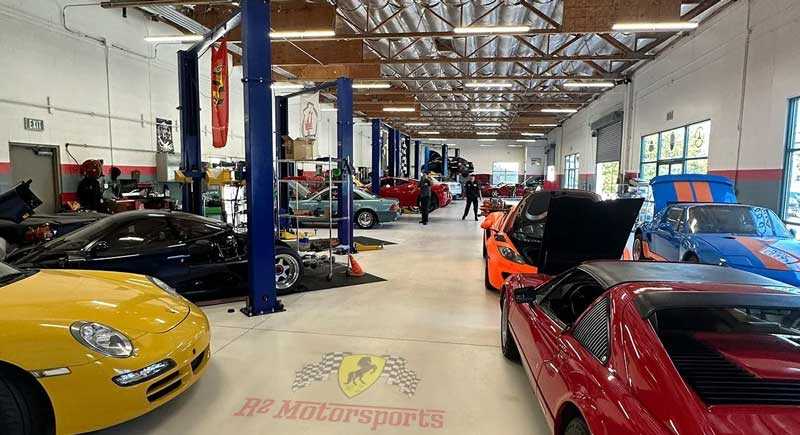
At R2 Motorsports, we diagnose and repair Porsche cooling systems every week. From Cayennes and Macans to 911s and Boxsters, coolant leaks are one of the most common issues we see. This guide explains why pink fluid leaks happen, where they typically originate, and how to catch them early before they turn into expensive failures.
If you drive a Porsche in Los Angeles County or Santa Clarita Valley, this article will help you understand what’s happening under your car and what to do next.
Why Porsche Coolant Is Pink and What It Means
The role of coolant in your Porsche
Coolant regulates engine temperature by absorbing heat and circulating through the radiator and engine. Without it, the engine overheats quickly and internal components begin to warp or fail. :contentReference[oaicite:0]{index=0}
Porsche uses a bright pink coolant formula that includes corrosion inhibitors and antifreeze additives. This helps protect aluminum engine components and prevent internal rust. :contentReference[oaicite:1]{index=1}
When you see pink fluid on the ground, it usually means coolant is escaping somewhere in the pressurized system.
Why coolant leaks are dangerous
Even a small leak can create major problems. Coolant systems operate under pressure. When fluid escapes, heat builds rapidly. If the engine overheats, it can cause warped cylinder heads or head gasket failure. :contentReference[oaicite:2]{index=2}
That is why Porsche coolant leak repair Los Angeles searches spike in summer months. High temperatures make small leaks become catastrophic faster.
Unique insight from R2 Motorsports
Most articles simply say “fix it quickly.” What many drivers do not realize is that Porsche cooling systems often leak slowly at first. You might only lose coolant during pressure spikes after driving hard or sitting in traffic. That means leaks can remain hidden for weeks before becoming visible.
This is why professional pressure testing and dye testing are critical early.
Common Causes of Porsche Coolant Leaks
Hoses and connection points
Cooling systems rely on hoses and clamps. Over time, rubber dries out and fittings loosen. A loose hose connection is one of the most common leak sources in Porsche vehicles. :contentReference[oaicite:3]{index=3}
Southern California heat accelerates hose deterioration. Vehicles parked outdoors or driven hard in traffic see faster wear.
Radiator and expansion tank issues
Radiators and reservoirs can crack with age. Plastic expansion tanks become brittle, especially in older Cayennes and Boxsters.
Cracks often form where mounting points stress the plastic. These leaks usually start small and worsen as pressure builds.
Water pump failure
Water pumps circulate coolant through the engine. When the internal seal fails, coolant leaks from the pump housing. This often leaves pink residue under the engine or near the front of the vehicle. :contentReference[oaicite:4]{index=4}
A failing pump can also create whining noises or temperature fluctuations.
Unique insight from R2 Motorsports
Performance driving plays a role. Many Porsche owners in Los Angeles enjoy canyon driving or spirited highway runs. Hard driving increases cooling system pressure, which exposes weak components faster than normal commuting.
If your Porsche is modified or driven aggressively, leaks appear earlier than average.
Early Signs of a Porsche Coolant Leak

Pink puddles under the vehicle
A bright pink puddle is the most obvious sign. Coolant is dyed specifically so drivers can distinguish it from oil or water. :contentReference[oaicite:5]{index=5}
Unlike water, coolant feels slippery and does not evaporate quickly.
Sweet smell after driving
Coolant contains ethylene glycol, which produces a sweet smell when it leaks onto hot engine parts. :contentReference[oaicite:6]{index=6}
If you smell something sugary after parking, it is a warning sign.
Low coolant warning light
Modern Porsches monitor coolant levels electronically. If the reservoir drops below threshold, the dashboard warning appears.
Do not ignore this. Adding coolant without diagnosing the leak only delays damage.
Temperature spikes
If your temperature gauge climbs quickly or fluctuates, coolant flow may be compromised. Overheating is one of the most serious symptoms of a leak. :contentReference[oaicite:7]{index=7}
Unique insight from R2 Motorsports
We often see customers top off coolant repeatedly instead of scheduling a diagnostic. This masks the issue until a hose bursts or pump fails completely.
If you add coolant more than once in a month, schedule Porsche diagnostic services Santa Clarita immediately.
How Porsche Coolant Leaks Are Diagnosed
Pressure testing
Technicians pressurize the cooling system to simulate driving conditions. If pressure drops, a leak is present. :contentReference[oaicite:8]{index=8}
This is the most reliable method for finding slow leaks.
UV dye testing
A fluorescent dye is added to the coolant. Under UV light, even tiny leaks become visible.
This method is ideal for leaks that only occur under heat or pressure.
Visual inspection
Technicians inspect hoses, water pumps, radiators, and reservoirs for residue or cracks.
Sometimes leaks only appear when the engine reaches operating temperature.
Unique insight from R2 Motorsports
Porsche engines often hide leaks under engine covers and intake components. A quick visual inspection is rarely enough. Proper diagnosis requires removing panels and testing under pressure.
This is why professional diagnosis saves money long term.
Why You Should Not Ignore a Coolant Leak
Engine damage risk
Driving with low coolant can warp engine components and damage seals. Severe overheating can destroy the engine entirely. :contentReference[oaicite:9]{index=9}
Repairs escalate quickly from hundreds to thousands of dollars.
Safety concerns
Coolant leaks can create steam and reduce visibility. Sudden overheating can leave you stranded in traffic.
In Los Angeles traffic, this can be dangerous.
Unique insight from R2 Motorsports
We frequently see vehicles towed in after a small leak turned into a blown hose on the freeway.
Early detection is always cheaper than emergency repair.
Preventing Porsche Coolant Leaks
Regular inspections
Have your cooling system inspected annually, especially before summer.
Technicians check hoses, clamps, and reservoir condition.
Coolant flush intervals
Coolant breaks down over time. Old coolant loses corrosion protection and can damage components.
Follow factory service intervals.
Monitor your garage floor
Check for new spots under your car weekly.
Place cardboard under the vehicle overnight to track leaks.
Unique insight from R2 Motorsports
Preventive inspections are especially important for vehicles over 60,000 miles. Most cooling system failures occur between 60k and 100k miles.
Quick Takeaways
- Pink fluid under your Porsche is almost always coolant
- Small leaks can quickly become major engine damage
- Common causes include hoses, radiators, and water pumps
- Sweet smell and low coolant warnings are early signs
- Pressure testing is the best way to confirm leaks
- Regular inspections prevent expensive repairs
- Schedule diagnostics if coolant drops repeatedly
Conclusion
A pink fluid leak from your Porsche is not something to ignore. While it may start as a minor hose or reservoir issue, coolant leaks can escalate quickly into overheating and serious engine damage.
The good news is that early detection makes repairs straightforward and affordable. If you notice pink fluid, a sweet smell, or fluctuating engine temperatures, schedule a diagnostic immediately.
Drivers searching for Porsche coolant leak repair in Los Angeles At R2 Motorsports, we specialize in identifying leaks early using pressure testing, dye testing, and thorough inspections.
If your Porsche is showing any signs of a coolant issue, book a diagnostic before a small leak turns into a major repair. Protecting your cooling system protects your engine and your wallet.
FAQs
Why is my Porsche leaking pink fluid?
Pink fluid is typically coolant. Porsche coolant is dyed pink and leaks usually come from hoses, radiators, or water pumps.
Can I drive with a coolant leak?
Driving with a leak is risky. Even small leaks can cause overheating and engine damage.
How much does coolant leak repair cost?
Costs vary depending on the source. Hose repairs are cheaper than water pump or radiator replacements.
How do I know if my coolant leak is serious?
If your temperature rises, warning lights appear, or coolant drops quickly, it is serious.
How often should coolant be checked?
Check levels monthly and schedule annual inspections.
Engagement Message
Have you ever spotted pink fluid under your Porsche and wondered what it was? Share your experience in the comments or send this article to a fellow Porsche owner who should know what to watch for. Your feedback helps us create more guides for Southern California drivers.
References
AAA Car Care: Signs of a Coolant Leak