

Introduction
If you drive a high performance vehicle like Porsche or Ferrari, you already understand that braking performance is just as critical as horsepower. But what happens when you start hearing squeaking, or feel a pulsating vibration through the pedal? These are not just minor annoyances. They are early warning signs that your braking system needs attention.
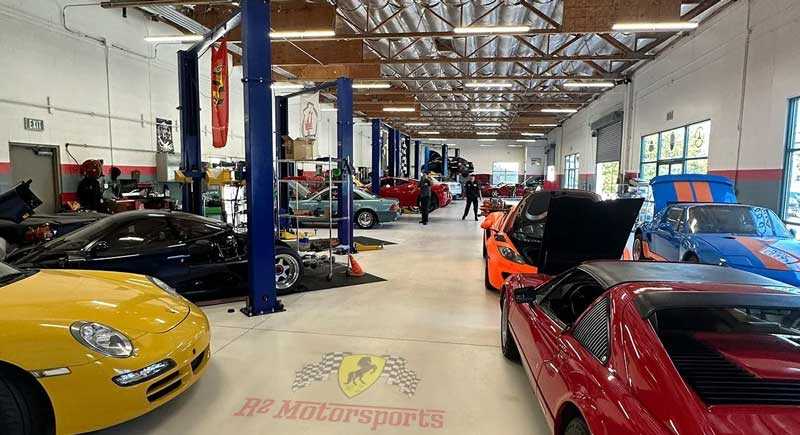
This guide is built for car owners who want to protect their investment and maintain peak performance. At R2 Motorsports, we specialize in Porsche and Ferrari brake service, including advanced diagnostics and precision repairs for carbon ceramic systems. Whether you are daily driving or pushing your car on canyon roads, understanding how your braking system behaves can save you from costly repairs.
In this article, we will break down the difference between normal and problematic brake behavior, explain how carbon ceramic systems work, and give you real world maintenance strategies from a carbon ceramic brake specialist Santa Clarita drivers trust. Understanding Porsche and Ferrari brake service requirements is essential to maintaining performance, safety, and long-term reliability.
Why Porsche and Ferrari Brake Service Systems Behave Differently
High performance braking systems are engineered for extreme conditions, not comfort. Unlike standard commuter vehicles, Porsche and Ferrari brake systems are designed to perform at high temperatures and under repeated stress.
Performance Over Comfort
These systems prioritize heat resistance, fade resistance, and stopping power at speed. This is why some noise or vibration can be completely normal.
Real World Insight
Many drivers assume squeaking equals worn pads. In reality, performance brake pads often contain metallic compounds that naturally create noise, especially at low speeds.
Most online guides oversimplify brake noise. In performance vehicles, noise is often a byproduct of efficiency, not failure.
According to the Society of Automotive Engineers, high performance braking systems are designed to operate under extreme thermal loads, which can naturally produce noise during low temperature operation.
Squeaking Brakes What It Means and When to Worry
Brake squeaking is one of the most common concerns among performance car owners.
Normal Causes of Squeaking
Cold brake pads, light braking pressure, and high metallic content pads can all produce noise.
Warning Signs
Constant squealing at all speeds, grinding noises, or reduced stopping power indicate a problem.
Case Example
At R2 Motorsports, a Ferrari 488 owner reported persistent squeaking. The issue was not worn pads but improper bedding. After a proper bedding procedure, the noise was eliminated.
https://www.r2autorepair.com/brake-service
Brake noise can also be influenced by pad composition and environmental conditions, as outlined by Brembo in their brake system guidelines.
Pulsating Brake Pedal What Causes It
A pulsating brake pedal is often more serious than noise.
Common Causes
Warped rotors, uneven pad deposits, and improper wheel torque are common culprits.
Carbon Ceramic Considerations
Carbon ceramic rotors do not warp like steel rotors. Instead, pulsation usually comes from uneven transfer layers.
Expert Insight
Most shops misdiagnose pulsation in carbon ceramic systems and replace expensive rotors unnecessarily. In many cases, the issue can be corrected without full replacement.
Understanding Carbon Ceramic Brake Systems
Carbon ceramic brakes are a major upgrade in performance vehicles.
Key Benefits
They are lightweight, highly heat resistant, and offer long lifespan.
Drawbacks
They are expensive and require proper handling and maintenance.
Expert Perspective
A properly maintained carbon ceramic system can last over 100,000 miles. However, improper bedding or aggressive cold driving can drastically shorten lifespan.
Proper Brake Maintenance for Porsche and Ferrari
Maintaining your braking system requires more than just replacing pads.
Essential Maintenance Steps
Regular inspections, proper bedding procedures, and brake fluid flushes every two years are critical.
Fluid Matters
High performance vehicles require high boiling point brake fluid to prevent fade during aggressive driving.
Routine Porsche and Ferrari brake service ensures consistent stopping power and prevents premature wear on high performance components.
https://www.r2autorepair.com/services
Signs You Need Immediate Brake Service
Ignoring early warning signs can lead to major repairs.
Critical Symptoms
Grinding noise, steering wheel vibration, and increased stopping distance should never be ignored.
Real World Scenario
A Porsche 911 owner delayed service after noticing pulsation. This led to rotor damage that could have been avoided with early intervention.
The Importance of Proper Brake Bedding
Brake bedding is often overlooked but critical.
What Bedding Does
It transfers pad material evenly, prevents vibration, and improves braking consistency.
Incorrect Bedding Issues
Improper bedding can cause noise, pulsation, and reduced braking performance.
Why Specialized Shops Matter
Not all repair shops understand performance brake systems.
Key Differences
Specialized shops use proper diagnostic tools, understand brand specific systems, and follow correct service procedures.
Insight
General repair shops often treat performance brakes like standard systems, which leads to misdiagnosis and unnecessary costs.
How Driving Style Affects Brake Wear
Your driving habits directly impact brake longevity.
Aggressive Driving
Leads to faster pad wear and increased heat cycles.
Light Driving
Can cause increased squeaking and pad glazing.
Cost of Porsche and Ferrari Brake Service
Brake service costs vary depending on the system.
Typical Costs
Steel brake systems are more affordable, while carbon ceramic systems are significantly more expensive.
Cost Saving Insight
Early maintenance prevents major repairs. Addressing small issues early can save thousands.
Quick Takeaways
Squeaking is often normal in performance brakes
Pulsation usually indicates a deeper issue
Carbon ceramic brakes require specialized care
Proper bedding is critical for performance
Early diagnosis saves significant repair costs
Driving style impacts brake lifespan
Always use a specialist for high performance vehicles
Conclusion
Your braking system is one of the most critical components of your vehicle, especially when driving a Porsche or Ferrari. While squeaking and pulsation may seem minor at first, they often signal underlying issues that require attention. Understanding how these systems work allows you to make informed decisions and avoid unnecessary repairs.
At R2 Motorsports, we specialize in diagnosing and servicing high performance braking systems with precision. From routine inspections to advanced carbon ceramic brake service, our team ensures your vehicle performs exactly as engineered.
If you are experiencing brake noise, vibration, or reduced performance, now is the time to act. Do not wait until a minor issue becomes a costly repair.
Choosing a specialist for Porsche and Ferrari brake service can make the difference between minor maintenance and major repair costs.
Schedule your inspection today and keep your performance vehicle stopping as powerfully as it accelerates. https://r2autorepair.com/contact-us/#
FAQs
What causes Porsche brake squeaking at low speeds?
Squeaking is often caused by high performance pad materials and is normal during light braking or cold conditions.
How do I fix brake pedal pulsation in a Ferrari?
Pulsation is typically caused by uneven pad deposits. Proper resurfacing or bedding can often resolve it without replacing rotors.
How long do carbon ceramic brakes last?
With proper maintenance, they can last over 100,000 miles depending on driving habits.
Do carbon ceramic brakes need special maintenance?
Yes, they require proper bedding, correct fluid, and expert diagnostics.
When should I service performance brakes?
At the first sign of noise changes, vibration, or reduced braking performance.
Engagement Message
Have you experienced brake squeaking or pulsation in your Porsche or Ferrari?
Drop a comment with what you experienced and what fixed it. Your insight could help another owner avoid costly repairs.
If this guide helped you, share it with another car enthusiast.
References
National Highway Traffic Safety Administration
Society of Automotive Engineers
Brembo Technical Resources
Bosch Automotive Handbook
Federal Motor Vehicle Safety Standards